


Belgian Beer Bliss
In the world of beer there are few countries as highly venerated as Belgium. The history of brewing beer there dates back centuries and during the Middle Ages Belgium’s abbeys became known for their skill at fermenting grain into delicious beer. In the 12th Century hops began being used in the brewing process, previous to that a herbal blends known as ‘gruit’ had been used to balance the sweet malty taste of beer. Hops helped stabilise the beer so that it kept better and brought a pleasing bitterness that perfectly balanced the beer, resulting in it quickly became a core ingredient.
Belgium continued to develop its beer culture up until the early 20th Century, when economic unrest and world wars disrupted brewing life. Then in the second half of the 20th Century Belgian beer culture re-emerged and became recognised as one of the great heartlands of the drink. Today many beer lovers make pilgrimages to the country in order taste the wide variety of beers brewed there in their place of origin. To help those who wish to dip their toes into the vats of Belgium beer styles here is a quick guide to what you can expect to find. If you decide to explore more why not check out the Belgium Beer section on our website here.
Pale Ales and IPAs
Belgium pale ales and IPAs are made with pale malts and a healthy dollop of European hops to add a pleasant bitterness. They tend to have a balance of malty and hoppy characteristics, with flavour profile that includes notes such as toasty, biscuit, caramel, nutty, pear, orange, apple, lemon and even hints of spice. Some Belgium IPAs may use international hops, inspired by American IPAs, to add more tropical fruit notes but this is a less traditional approach.
Blondes
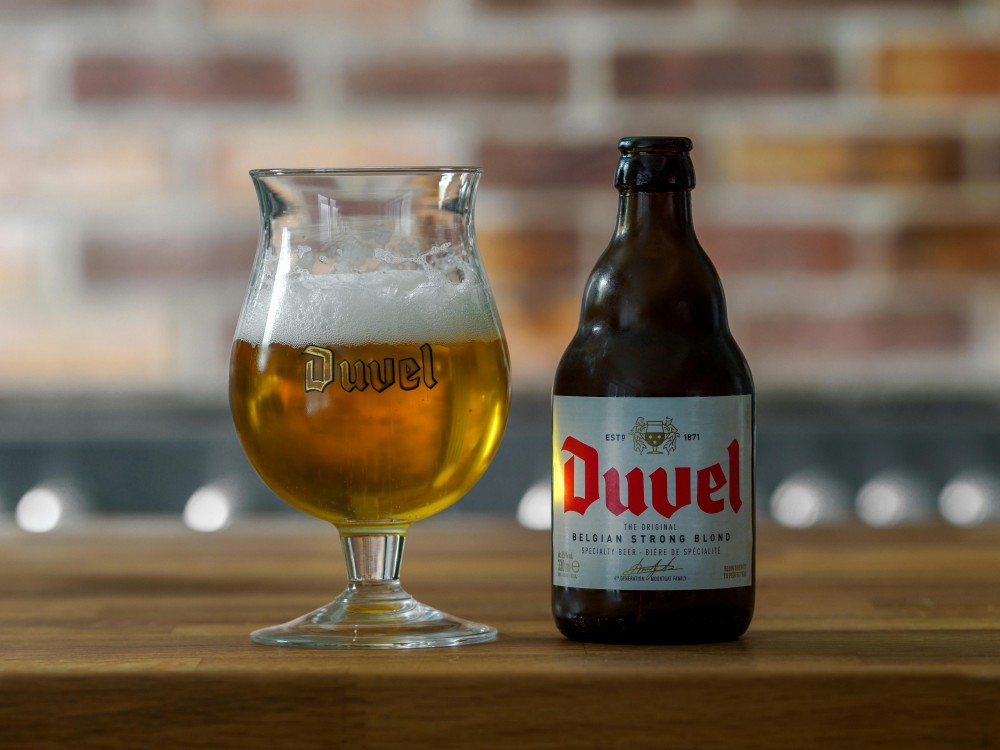
Typically blonde beers are well rounded, with neither the hops or malt elements dominating the brew. To achieve this they use pale malts and light hops, blond ales deliver a beer with a hint of bitterness, subtle malty character, and a crisp, clean finish. Blonde beers tend to be brewed between 4% and 6% abv and are easy drinking ales that are perfect for food pairing or drunk on their own. There are also strong blonde beers made in Belgium, that up the punch and are typically 7%-11% abv.
Saisons
Saison beers, also sometimes known as farmhouse beers, originated in Wallonia, Belgium. This beer style is light in colour, carbonated and has a refreshing, dry character. It is common to add in adjuncts, such as peppercorns, herbs, and citrus, to add further depth and character to the beers. Sometimes they are fermented with wild yeasts, to add a touch of tartness to them, and they can also be barrel aged to add more weight and complexity to the beer.
Pilsners
These are light refreshing lagers with a dry finish that are meant for easy drinking. Jupiler is the most popular pilsner in Belgium and it has been a South Downs Cellars stapple for the past 10 years.
Witbier
In Germany they are known as weissbier and in France they are call biere blanche but they are all the same basic style of beer. Witbier is a style of beer that uses wheat as a major component in its recipe, making up more the 50% of its malt component. They are usually top fermented and sometimes have adjuncts, such as coriander and orange peel, added to them in the brewing process. The beers often have flavour notes such as bananas, cloves, vanilla and citrus.
Abbey
Much of Belgium’s beer culture has strong links to beers brewed in abbeys. Trappist monks historically brewed beer as a part of their diet and then sold on their surplus. Over time many of these abbey breweries closed or were sold on to secular brewers but the style of beers that they brewed remained. Today many Belgian brewers brew abbey beers, with their rich malty flavours. These beers are brewed in a variety of strengths, including dubbles, Tripples and quadruples. Some religious breweries still exist and are labelled at Trappist.

Trappist Beers
Trappist beers are brewed by exclusively by Trappist monks. Although there are twelve Trappist monasteries that brew beer—six in Belgium, two in the Netherlands, and one each in Austria, Italy, England, France, and Spain— only 10 of them are accredited as Authentic Trappist Products and meet the stringent Trappist association criteria to sell on their beer. These are Chimay, Engelszell, La Trappe, Orval, Spencer, Rochefort, Tre Fontane, Westmalle, Westvleteren, and Zundert.
Lambic styles
Lambic beers come in a wide range of styles including Unblended lambics, Gueuzes and Fruited lambics. Lambic beers are made differently from most other beers because they are fermented with the use of wild yeasts and bacteria, as opposed to using lab grown brewer's yeast. The use of wild yeast and bacteria gives lambic beer its distinctive style, with a dry, funky, and cidery character and often with a tart finish from the acidity produced by the bacteria. The most famous microorganisms used in lambic brewing include Saccharomyces, Brettanomyces, Lactobacillus, and Pediococcus.
Fruit beers
Belgium fruit beers are made by adding in fruit or fruit flavouring to beer. This can be done using a lambic base that is refermented with the fruit, such as with krieks (using cherrys) and framboise (using raspberries). At other times the fruit is simply added to the brew, either before or after fermentation, and can include a wide variety of fruits, such as apricots, peaches, apples, and blackberries.
Flanders Red and Brown Ales
Flanders red and brown ales originated in Western Flanders. These sour ales are made using blends of ale that has been fermented with Saccharomyces, Pediococcus and Lactobacillus, resulting in a sour beer. Alongside their characteristic tartness these ales have a fruity character with notes of orange, plum, prune, raisin, raspberry and spices. They are usually aged for at least a year in oak barrels, which helps give them a bit of tannin, whilst the hops are typically quite restrained, resulting in a low level of bitterness.
Belgium Stouts
Belgian stouts share many characteristics of dark beers produced throughout Europe and the British Isles. These stouts are typically dark with flavours of chocolate, coffee, and roasted grains, with a balance of sweetness and bitterness. Thanks to the use of Belgium yeasts the beers have fruity and spicy notes, differentiating it from other stout styles. It is not unusual for them to be brewed to a high abv, similar to an imperial stout level, or for them to be matured in casks to give them greater depth of flavour.