


The Ways of Rosé
The sun has been playing hide and seek with us this year but hopefully now we are in August it has finally shown up to stay for a while. Rosé wines are at their absolute best when the day is filled with bright sunshine and the wine is refreshingly cold in your glass. Many peoples’ first thought when looking for a rosé are the pale wines of Provence, but there is so much more to discover for the adventurous taster. But how are pink wines made and what is out there to explore? Well fear not for we have a definitive guide on the different ways to make Rosé wines and some sumptuous suggestions for you to sip upon in the sun, or at least whilst we dream of the sun.
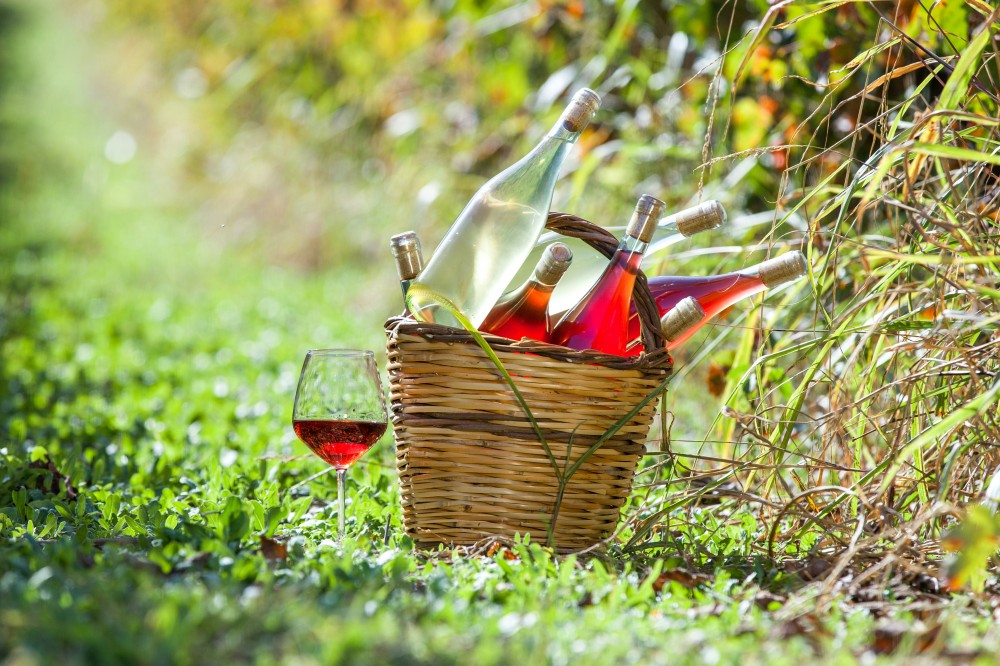
Rosé’s are made from red grapes using one of three main ways. These are known as Direct Press, Maceration and Blending. Here is a quick breakdown of the differences between the methodologies.
Direct Press
Red grapes are crushed and pressed as if they were white wine, with the juice only having a short amount of time in contact with the grape skins. This results in a wine that has only extracted a little colour and tannin from the skins and has a very pale and delicate colour.
Maceration
Red grapes are crushed and the juice is first left in contact with the skins of the grapes to extract a little more colour and tannin. The free run juice is then drained away and fermented at a cool temperature, much like you would ferment a white wine. This method can produce a darker coloured Rosé than a direct press, although if the time left to macerate is short they can still be very pale. The grapes are then pressed and the resulting juice is sometimes used to make a red wine. Sometimes this method is known as saignée (“san-yay”), specifically when some of the juice is used for Rosé wine making whilst the rest is used to make a red wine.
Blending
A red wine is made and then blended into a white wine to make a Rosé. In most of Europe this is illegal to do, with the exception being Champagne and wines that are made using the same methods as Champagne, such as Quality English Sparkling Wine. Outside of Europe and Champagne Method sparkling wines it tends to be cheaper New World Rosés that use this method of making Rosé.
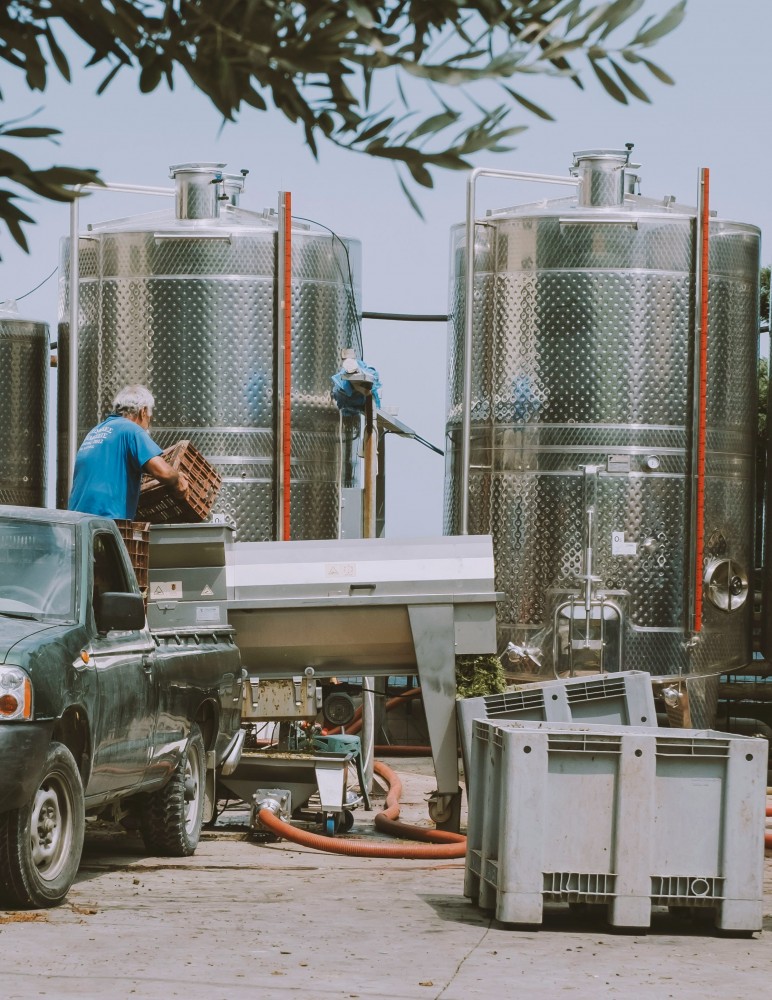
It is important to note that the colour of a Rosé does NOT indicate how sweet a Rosé will taste, it actually indicates how much time the juice has had in contact with the grape skins. A darker complexion to a Rosé will also indicate that there may be more tannins and red fruit notes because of the time the juice spent in contact with the skins.
The reason many people associate darker colour Rosés with sweetness is due to cheap commercial wines such as White ZInfandel (which is actually a Rosé, not a white wine) and a few small appellations, such as Cabernet de Loire. Sadly cheaply made Rosé have damaged the reputation of darker Rosés to such an extent that the market is dominated by pale Rosés even though darker Rosés can be delicious and are often make better food and wine pairings.

To explore further the wonderful world of Rosé wines you can visit our website or why not try one of the fantastic Rosés that we have picked out below:
Coquille de Fleur Cinsault Rosé, Languedoc-Roussillon, France 12.5% £10.95
100% Cinsault. This is a light, fresh and fruity Rosé that is ideal for when the sun shines. Filled with notes of strawberries, raspberries and cranberry, the finish has a touch of minerality.
Baguier Rosé, Domaine du Baguier, Provence, France 13% £16.95
Fresh and lively with wild red berry fruit flavours balanced by crisp acidity and a soft, smooth texture. This is a classic Provencal Rosé, perfect on a sunny day or when you want to feel like the sun is shining.
Clos Maguise Rosé, Clos Maguise, Provence, France 13% £19.95
Pale pink in complexion. On the nose there are aromas of raspberry, strawberry, cranberry and redcurrant. The palate is a riot of red fruit with a hint of minerality and a refreshing crispness to the finish.
Pinot Noir Rosé Reserve, Lyme Bay, England 12.5% £27.95
Partially fermented in French oak barriques and then aged for a further 8 months, resulting in a dark Rosé with a rich and complex style of rosé with soft, creamy fruit with a balancing soft spiciness.
Cuvee Rosé, Court Garden Farm, Sussex, England 12% £31.95
This sparkling Rosé, made with a blend of Pinot Noir and Pinot Meunier grapes. Very pale peach hue, frothy; dried cranberry, autolytic; nicely defined red fruit flavours, lively acidity balancing creamy mousse and good weight, nicely balanced, savoury finish with a lovely brioche character.
Rosé Ex Machina, Sugrue, Sussex, England 12% £69.95
The first ever Rosé to be released by the winemaking genius Dermot Sugrue under the Sugrue South Downs label, this is a blend of 50% Pinot Noir, 20% Pinot Meunier and 30% Chardonnay. The wine has been aged on its lees for 4 years and then for a further 1 year under cork before release and is an exceptional example of what this country is capable of producing.